Wilder Blean
Bison bridges, baby calves and big milestones
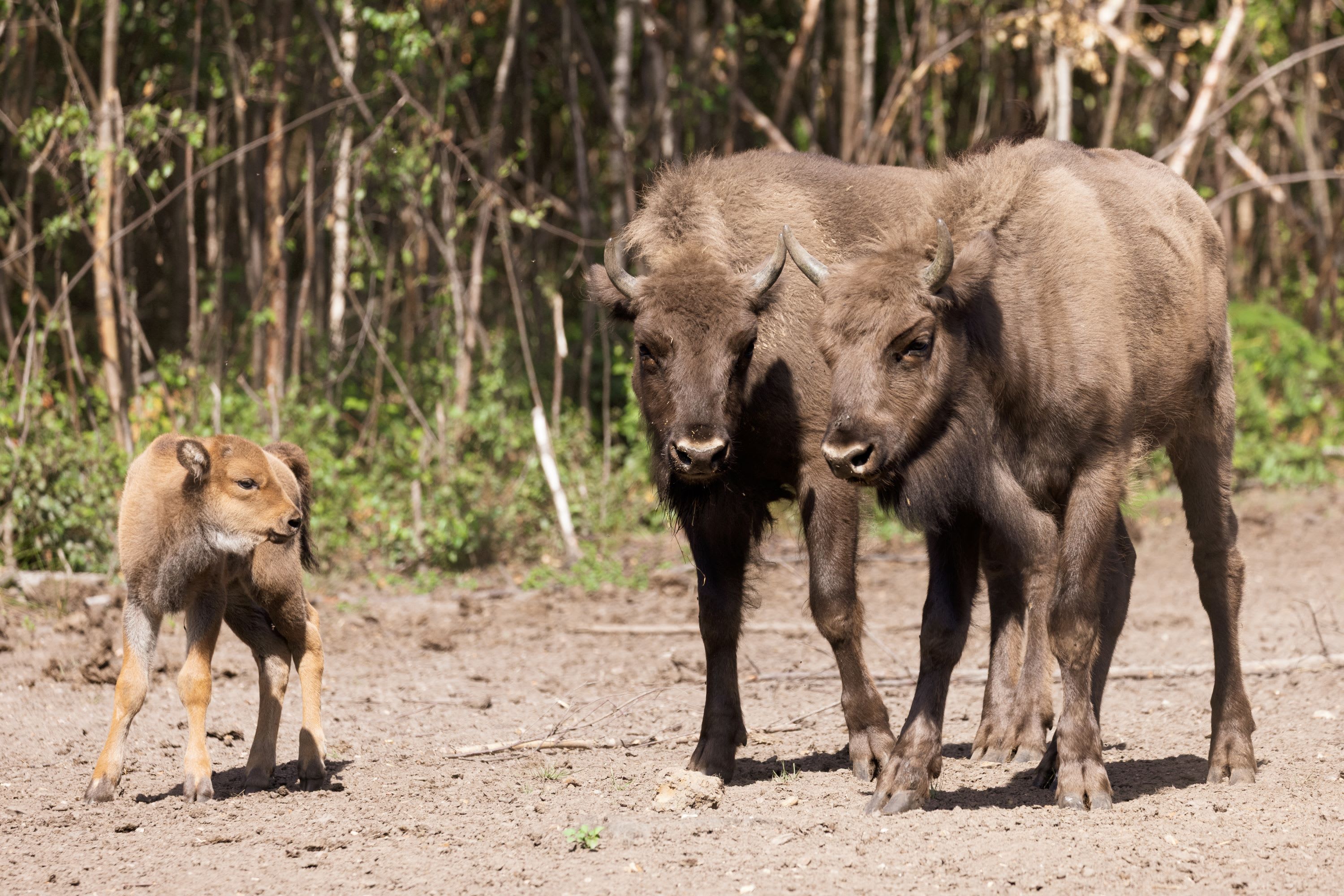
It’s been a landmark year for our Wilder Blean project, where European bison are transforming woodland management in a pioneering initiative at West Blean and Thornden Woods.
In January, the project received national recognition when it was named one of the Big Issue’s Top Changemakers of 2025. This year brought both new life and remembrance: three calves were born, bringing the total to seven since 2022, just as the pioneering matriarch passed away aged twenty-one. The first bison to roam freely in Britain for thousands of years, she shaped the herd and woodland, leaving an extraordinary legacy.
Meanwhile, two of the UK’s first-ever ‘bison bridges’ have been constructed, and we are eagerly waiting for the day the bison pass underneath them. Once all four bridges are built, these innovative crossings will expand the herd’s roaming area to 200 hectares, allowing the bison to explore new habitat while keeping the network of public footpaths safe and accessible.
Alongside these headline moments, the practical work to support the project has been just as important. Staff and volunteers have been busy cutting back vegetation beneath miles of fencing, rights of way and tracks to keep the reserve open and safe. The team has also maintained grassy rides to support the heath fritillary butterfly - one of the UK’s rarest species - through coppicing and bracken control.
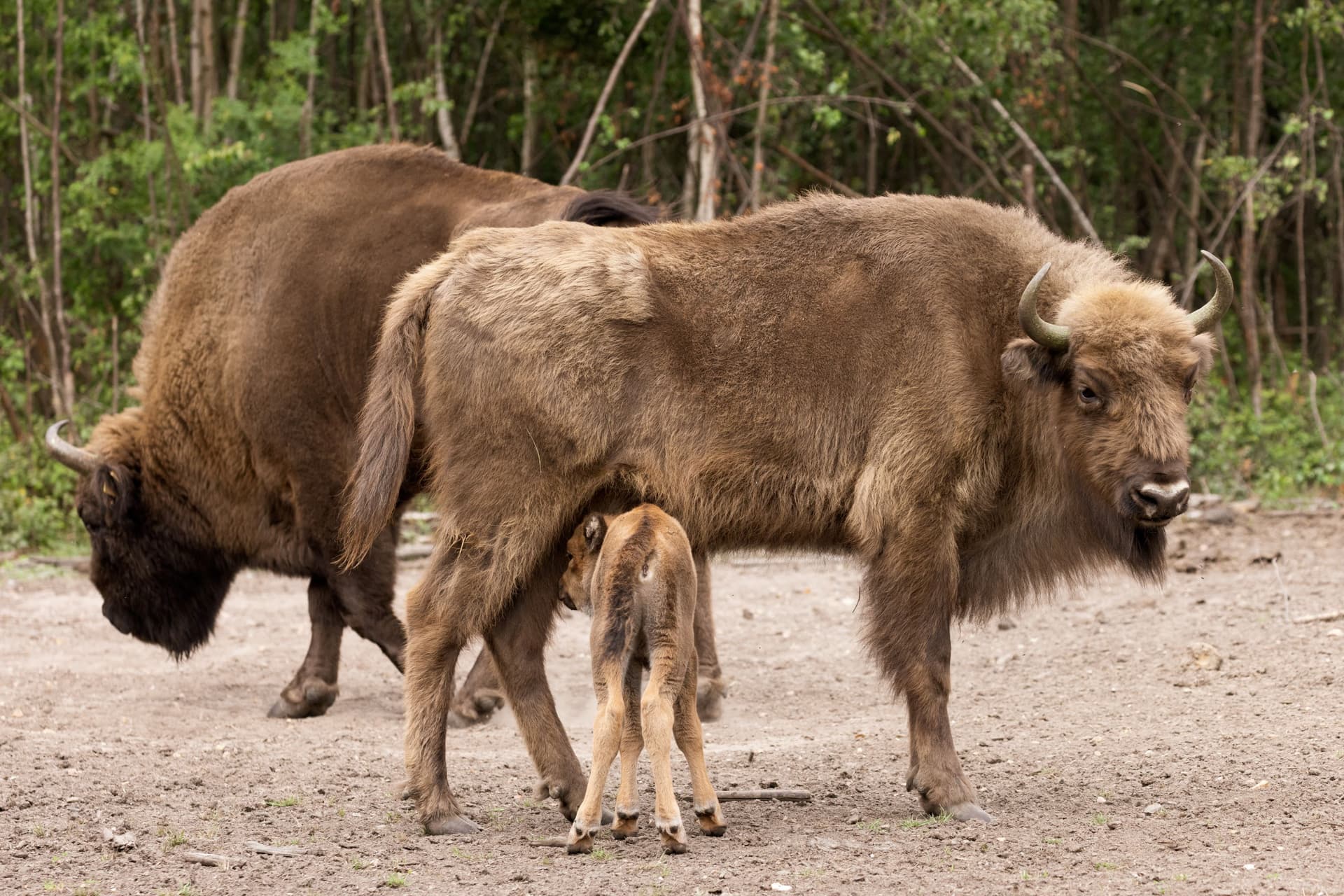
Image credit - Donovan Wright
Our major monitoring programme continued, gathering vital data to guide the project’s future. Volunteers are key to its success, from weekly butterfly surveys to sorting invertebrate samples and checking for reptiles. University research included dung collection, pitfall insect traps and pollen traps.
Wilder Blean is powered by people as much as by bison. Regular guided tours give visitors the chance to experience this pioneering project up close, while the Bison Benefactor scheme invites supporters to help secure its future. Together, this growing community is turning a bold idea into a living, breathing landscape for wildlife – now and for the future.
Find out more about Wilder Blean at kwtg.uk/blean-winter
If you heard about our Christmas Challenge and
donated to Wilder Blean: Wilder Woodlands, thank you!
If not, it’s not too late to get involved by becoming a
Bison Benefactor and sponsoring individual bison or
the whole herd!
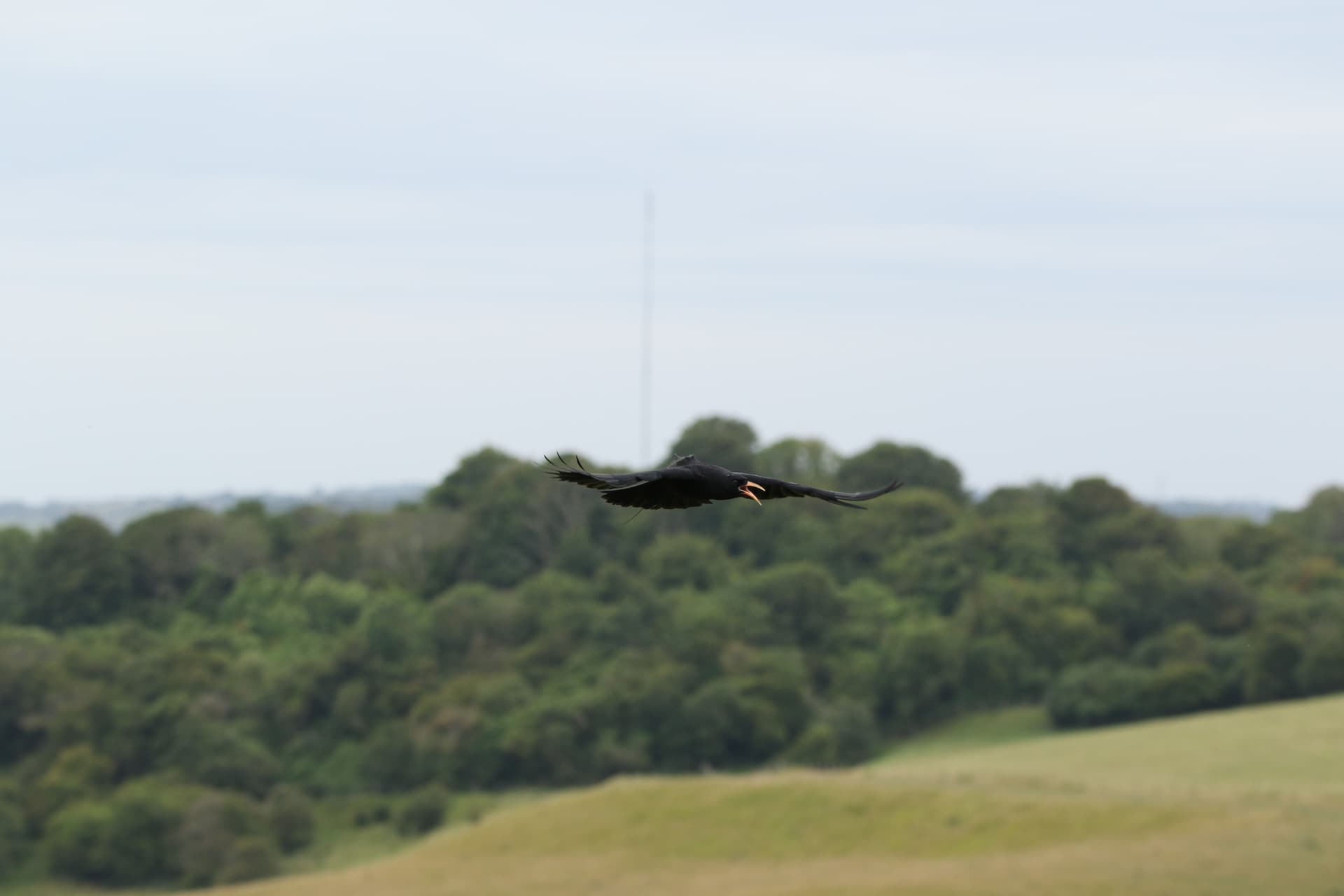
Image credit - Tim Horton
Wings over Dover
This year, we celebrated a truly historic moment in Kent’s conservation story when a wild red-billed chough chick fledged in the county for the first time in more than 200 years.
At Dover Castle, a young chough successfully took to the skies, marking a breakthrough in our partnership project with Wildwood Trust to bring this iconic bird back to the South East. Thanks to your support, and in collaboration with Paradise Park and English Heritage, we’ve reached a milestone many years in the making.
Just three years ago, choughs were released into Kent’s skies for the first time as part of a five-year reintroduction programme. Now, to see a wild-born chick fledge from a natural nest is a powerful sign that the population is beginning to re-establish itself.
“This is a moment we’ve all been hoping for,” said Liz Corry, Chough Release Supervisor at Wildwood Trust. “To see a wild chick not only hatch but successfully fledge and take to the skies is a major step forward. It confirms that the birds are finding suitable nesting habitat and pairing up to raise young - exactly what we’ve been working towards.”
Behind this success lies decades of work by Kent Wildlife Trust staff, volunteers, partners and supporters. Together, we’ve been restoring Kent’s precious chalk grasslands - one of the UK’s most biodiverse habitats - through conservation grazing and landscape-scale management. These grasslands provide the perfect conditions for choughs to forage and breed and are vital for countless other wild species too.
“This project shows what’s possible when long-term habitat restoration meets ambitious species recovery,” said Paul Hadaway, Kent Wildlife Trust’s Director of Conservation and Engagement. “A thriving chough population proves the value of restoring rare habitats like chalk grassland, which support a huge range of wildlife.”
The successful fledging at Dover Castle marks the end of the third season of chough releases. Young birds reared at Wildwood Kent, Wildwood Devon, Paradise Park and Camperdown Wildlife Park have joined the growing wild flock. Over the course of the project, up to 50 choughs are expected to be released in Kent, helping to re-establish a breeding population and reconnect chough populations across Southern England.
Find out more about the Chough Reintroduction Project at kwtg.uk/chough-winter
Out and about with the Pine Marten Project
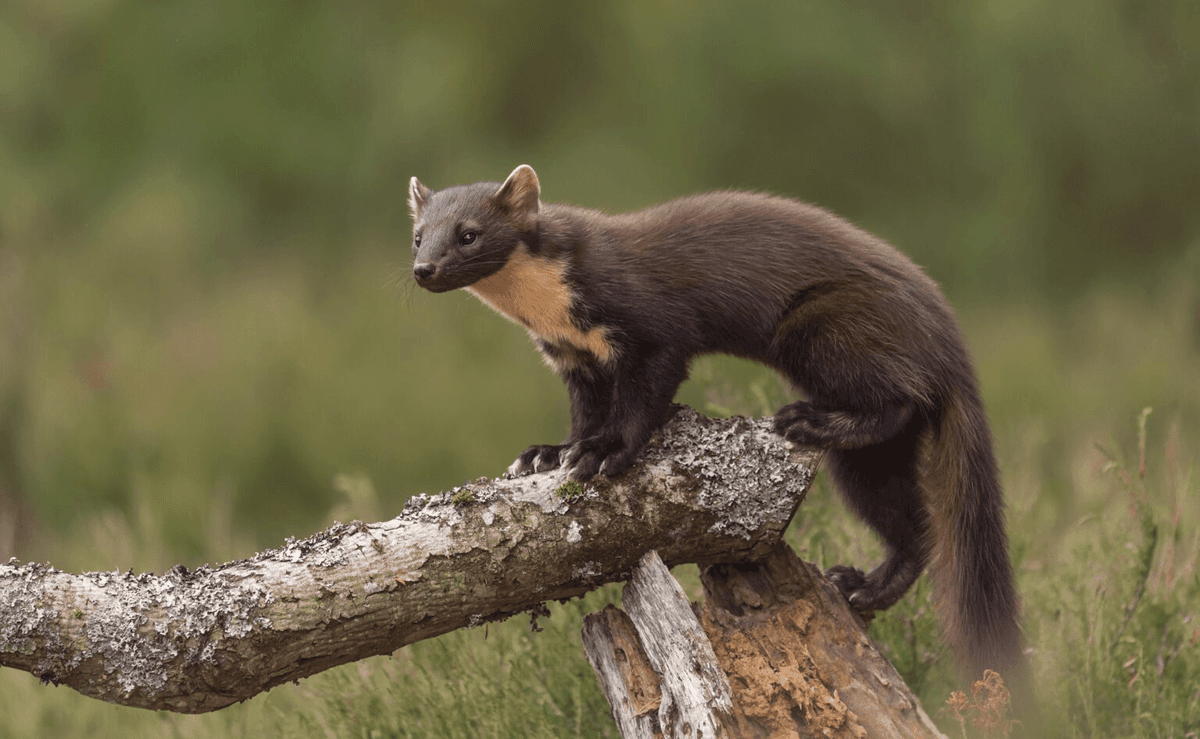
The South East Pine Marten Restoration Project has been busy this year, spreading the word about the potential return of Pine Martens to the High Weald. Kent Wildlife Trust is co-leading this Project in collaboration with its Partners: Wildwood Trust, Forestry England, Sussex Wildlife Trust and Ashdown Forest. The project is exploring whether this elusive mammal could once again make its home in the South East.
In May, the team set up at Bedgebury Pinetum BioBlitz, where visitors learned about the project and children crafted colourful Pine Marten masks with help from our wonderful volunteers. Our West Kent Area Warden Max was joined by a colleague from Wildwood Trust to lead an engaging guided walk about small mammals and their habitats.
At the Good Vibrations Festival in August, I gave a talk titled ‘Pine Martens Missing from Ashdown Forest?’ alongside our partner Ashdown Forest. One curious attendee surprised us when they reported seeing a Pine Marten, especially given that they have been missing from the South East for over 100 years. A thrilling prospect, although it turned out to have been a polecat, itself a species making a quiet recovery in the region.
In September, the project joined the national celebration of Pine Marten Day online, sharing updates and stories alongside other organisations across the UK working to restore Pine Martens to their natural range in their native environment.
As autumn arrived, the sun shone gloriously on our sold-out ‘Return of the Pine Martens?’ walk at Ashdown Forest as part of the High Weald National Landscape Walking Festival. Our Pine Marten Study Day at Wildwood Trust was also a sell-out, led by project co-lead Suzanne. Attendees watched Pine Martens feed up close, observing natural behaviours like caching – hiding food for later (a common trait among these clever omnivores!).
The South East Pine Marten Restoration Project is in its early stages, assessing whether reintroduction would be viable. This includes studying habitat quantity and quality and people’s attitudes to ensure Pine Martens would have the space and support they need to make a comeback.
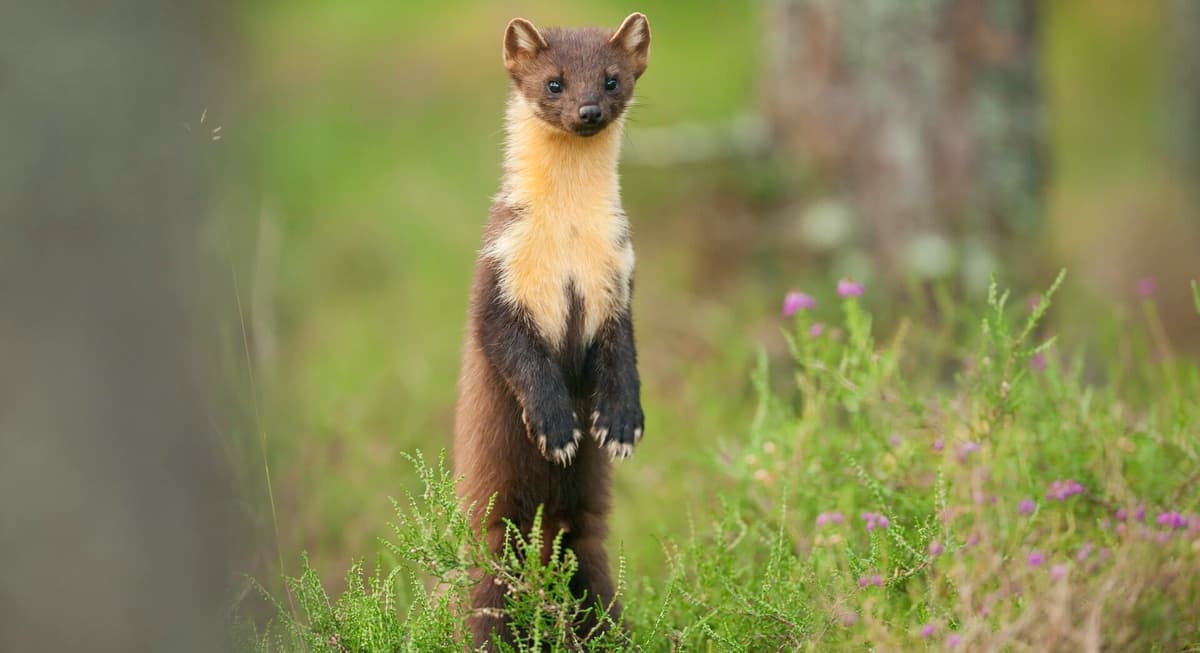
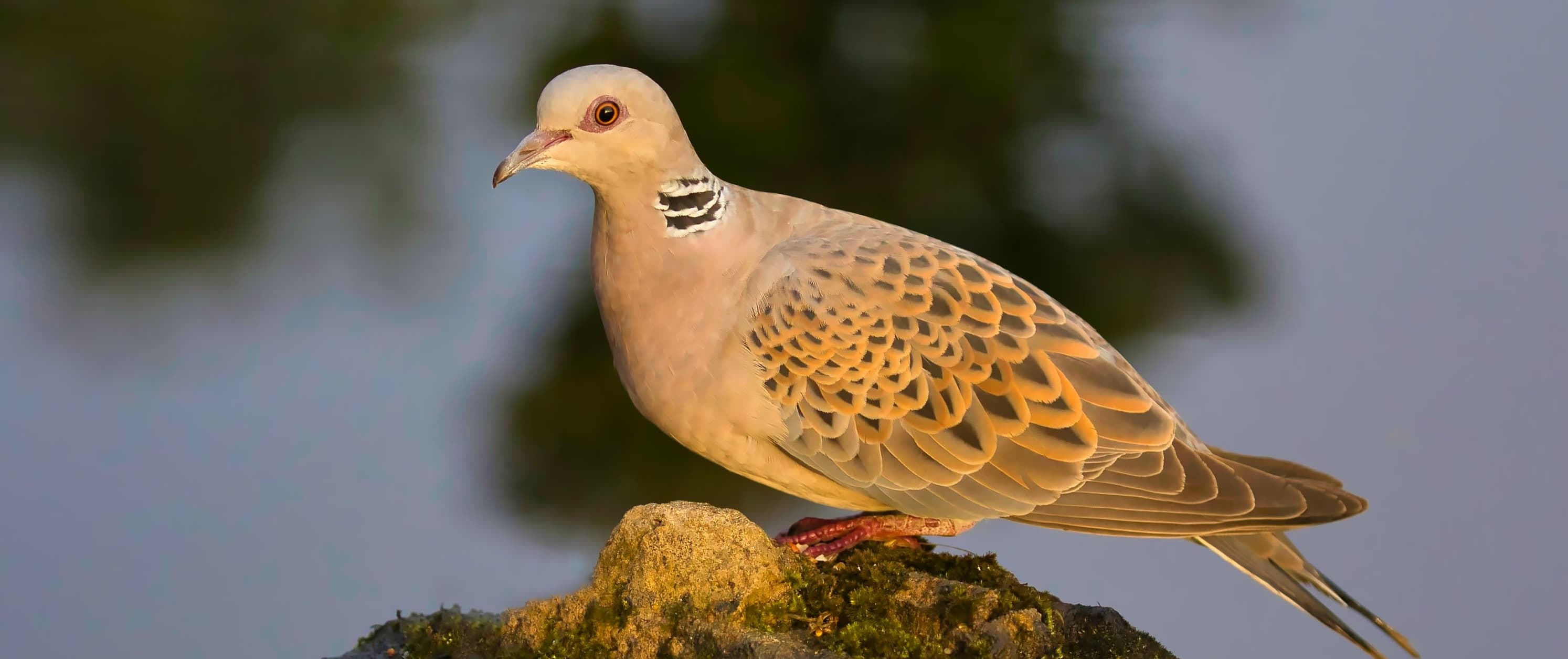
Image credit - Adrian Leveridge
Turtle Dove Project reveals hope for a declining species
Written by Kirsty Swinnerton (Kent Wildlife Trust) and Ray Morris (Marden Wildlife). We are grateful to Natural England, who funded the GPS tags, and a grant from Voltalia for the acoustic recorders.
This year’s Turtle Dove Project across Marden and the Weald has uncovered exciting insights into one of our most threatened and little-known birds.
Ten turtle doves were colour-ringed, of which seven were fitted with GPS trackers – part of our long-term study that now includes 30 ringed and 19 tagged doves. Volunteers monitored 16 feeding sites using trail cameras, recording 389 re-sightings of colour-ringed doves. Notably, all six adults ringed in 2022 were seen again in 2025, which proves that the turtle dove’s lifespan is at least five years.
A record 21 doves were captured on trail cameras at a single site in early September, feeding intensively before embarking on their migration south. For the first time, seven audio recorders were deployed to identify hotspots across the landscape, logging over 1,000 purring calls at one site alone in May.
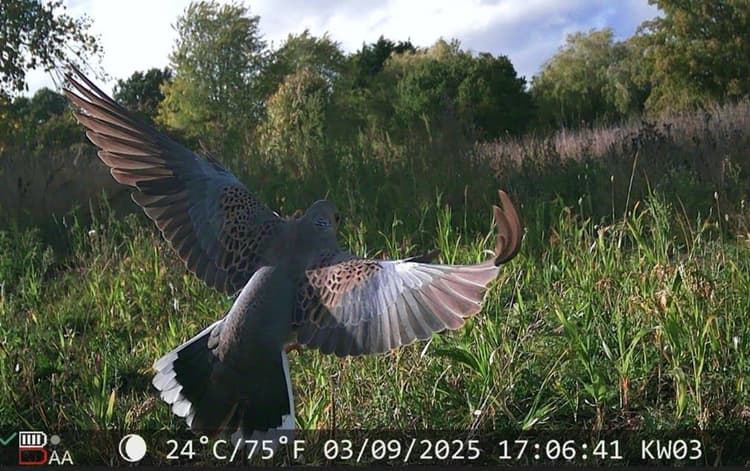
Our GPS data revealed remarkable daily journeys for food and water – one female, Adrienne, nested in Bedgebury Forest but flew 14km daily to feed near Marden. Encouragingly, many juvenile sightings and late-season fledglings point towards a successful breeding year.
With the doves having now left for Africa, this year’s rich dataset is ready for deeper analysis. As the EU hunting moratorium ends, this volunteer-driven project - a collaboration between Marden Wildlife, Kent Wildlife Trust, Natural England and Marden Farmer Cluster - continues to play a crucial role in protecting these enchanting summer visitors.
Wilder Grazing
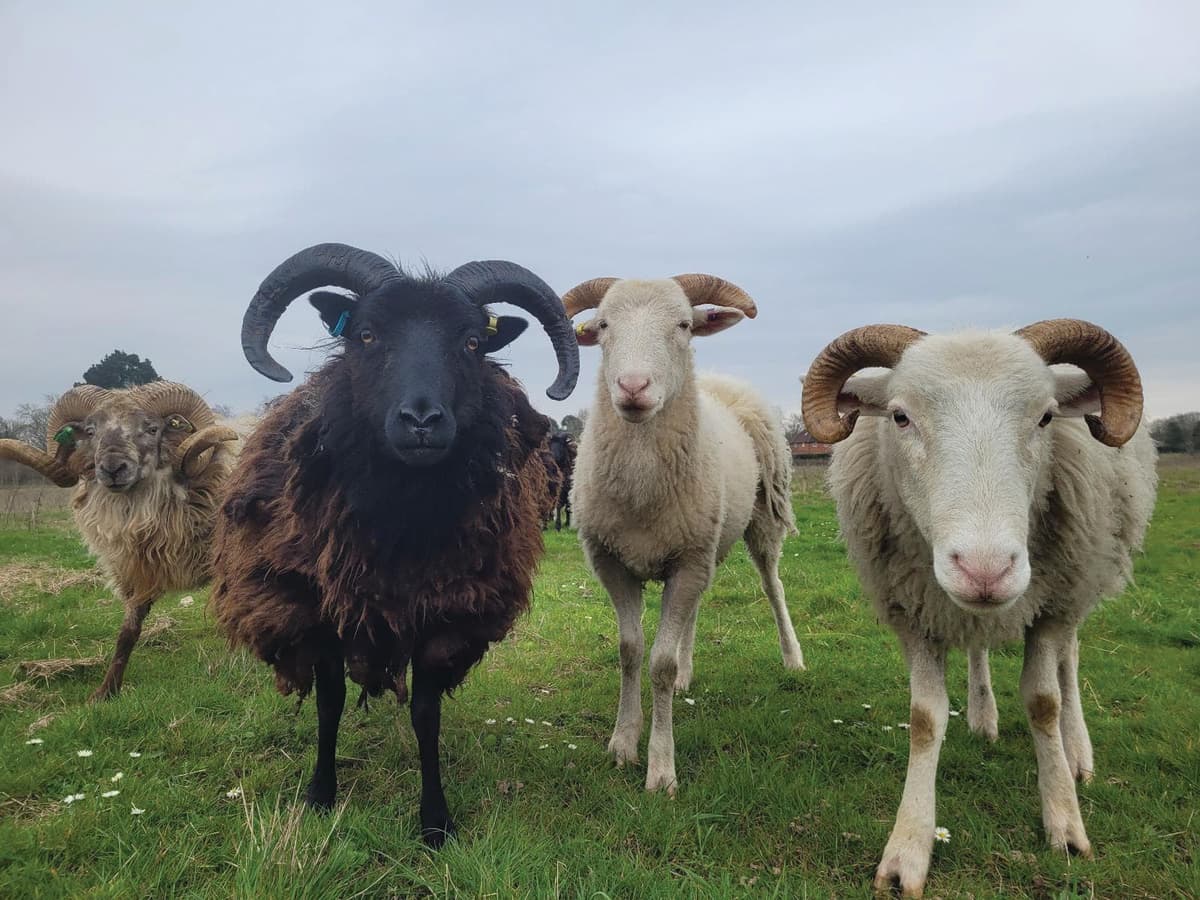
Image credit - Jess Allam
Our conservation grazing animals continue to play a vital role in shaping wilder landscapes across Kent. Our animals have grazed over 50 of our reserves this year, as well as for the National Trust, English Heritage and others.
A new addition for 2025 is Leybourne Chase, where we have worked closely with the local community to adapt their grazing approach. Cattle have been replaced with small numbers of native sheep breeds, which are proving highly effective at tackling the weed species that had started to take over and helping wildflowers flourish again.
Behind the scenes, our Herdtrack app, built in-house, allows us to monitor grazing in real-time, showing every individual field and indicating when the animals are in residence. This technology is helping us link animal movements directly to habitat change, giving new insight into how nature-led grazing shapes biodiversity.
This year, we have continued to share our work widely. At the Living Land Event, around 5,000 schoolchildren learned about farm animals. We took our four sheep breeds and spoke to the children about why our animals are so different.
Stay up to date with all things Wilder Grazing at kwtg.uk/grazing-winter
Local Wildlife Sites
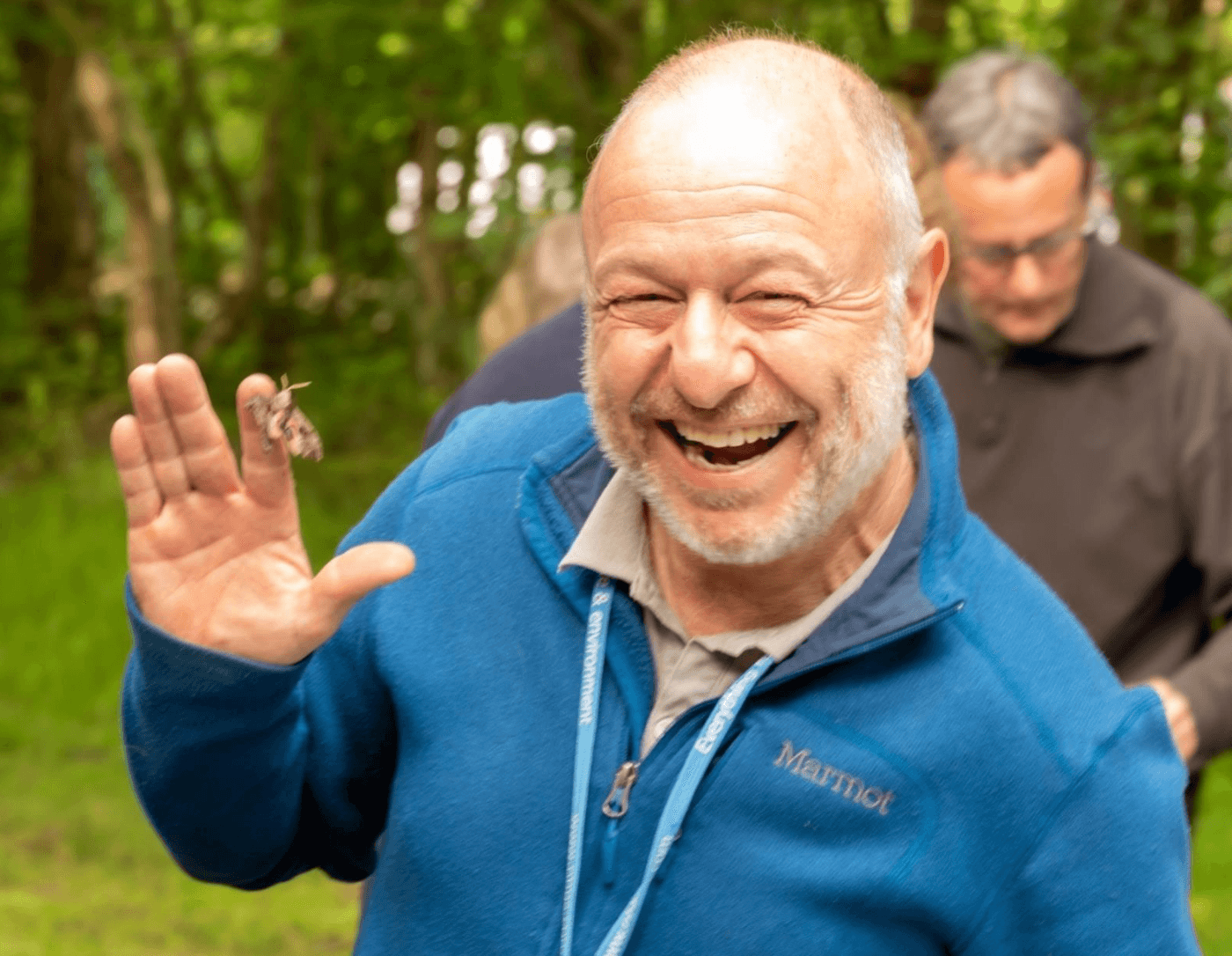
2025 has been a busy and rewarding year for our Local Wildlife Sites (LWSs) work. Since joining the Trust in March as Local Wildlife Sites Officer, six new sites have been added to the register, bringing the total to over 480 LWSs across the county. Another six sites have seen a significant extension in 2025, meaning LWSs now cover more than 7% of Kent – a figure that continues to rise.
We saw a very productive survey season uncovering many exciting finds. Perhaps most notable was the discovery of the nationally rare black-veined moth at Godmersham Estate, part of King’s Wood LWS. Engagement has been a key focus for LWSs in 2025 too. The Landowner newsletter is back, I’ve made over ten site visits to offer land management advice and we welcomed Ashford Borough Councillors to Taylor’s Meadow, the newest LWS in their area, to see first-hand how local conservation efforts can make a difference.
It’s been great to see our successes gaining wider attention. 2025 saw good news stories featured regularly in the press and on social media, including the new sites at Dane Valley Woods in Margate and Old Park and Chequers Wood in Canterbury.
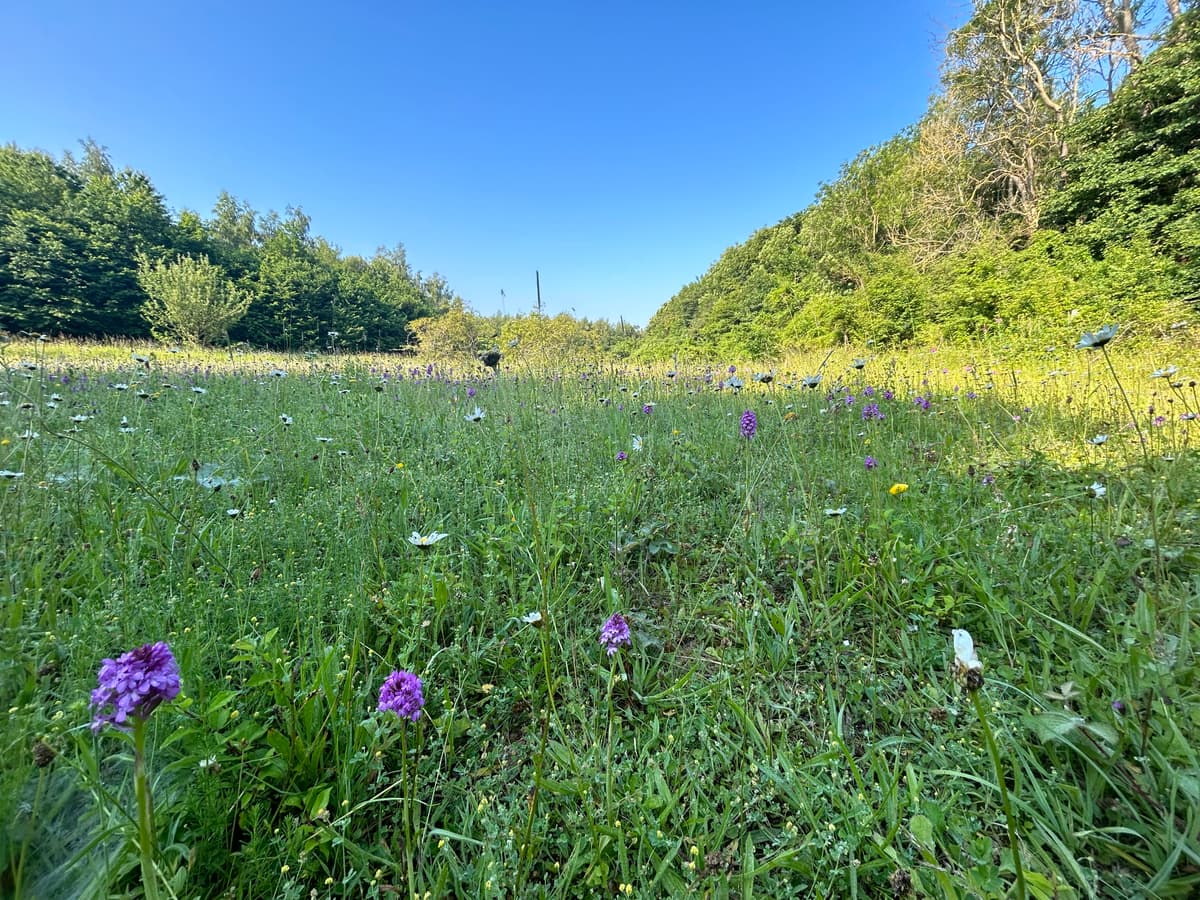

Image credit - David Tipling
Your wild winter
Brent goose (Branta bernicla)
Written by Simon Prichard
Of the three subspecies of the UK’s smallest goose, we mostly see the dark-bellied variety in Kent. Despite its modest size – only just bigger than a mallard – it migrates an astonishing 6,000 miles to spend the winter with us.
How to identify

Image credit - Terry Whittaker
Adults have a black head and chest with a black bill, and a distinctive white neck patch that juveniles lack. Their call is a rhythmic, deep rronk-rronk, which builds into a loud, murmuring chorus when birds flock together.
Life in the freezer
Brent geese breed in the Siberian Arctic and are believed to mate for life, producing a single clutch of three to five eggs each year. The chicks fend for themselves as soon as they hatch, following their parents around and fledging after about six weeks. This is when the parents shed their old feathers and grow new ones, essential for insulation and flight.
Towards the end of summer, Brent geese flock together in a feeding frenzy to build up their fat reserves. Once their food sources (mainly eelgrass and sea lettuce) freeze over, each family begins the annual journey to its usual wintering grounds. They travel mainly at night to avoid predators and conserve energy in cooler temperatures, navigating by the stars and flying in loose ribbons rather than the classic V-formation. Because they can’t store enough energy to last the entire route, they stop off to feed and rest at staging grounds, often for weeks at a time. Following the coasts of Russia, Finland, Denmark and Germany, they eventually arrive in Kent from October onwards, where they feed on seagrass and sometimes agricultural land near the coast.

Image credit - Terry Whittaker
Where to see
If you visit our South Swale or Pegwell
Bay reserves and catch the inspiring
sight of Brent geese flying overhead,
you’ll know how hard they’ve worked
to get there. South Swale is also one
of the chosen sites for the Zoological
Society of London’s seagrass meadow
restoration project, which aims to help
reverse the catastrophic decline of
these important food plants.
Updates from our reserves
Colder, wetter weather has arrived in Kent, and with it comes the hardest season for wildlife when food and shelter become scarcer. It’s also one of the busiest seasons for our Estates team as they carry out important winter works such as coppicing and scrub removal. Across all of our reserves, it’s clear the impact that creating diverse habitats has on encouraging wildlife to thrive. Here are just some of our highlights from the year...
1. Queendown Warren
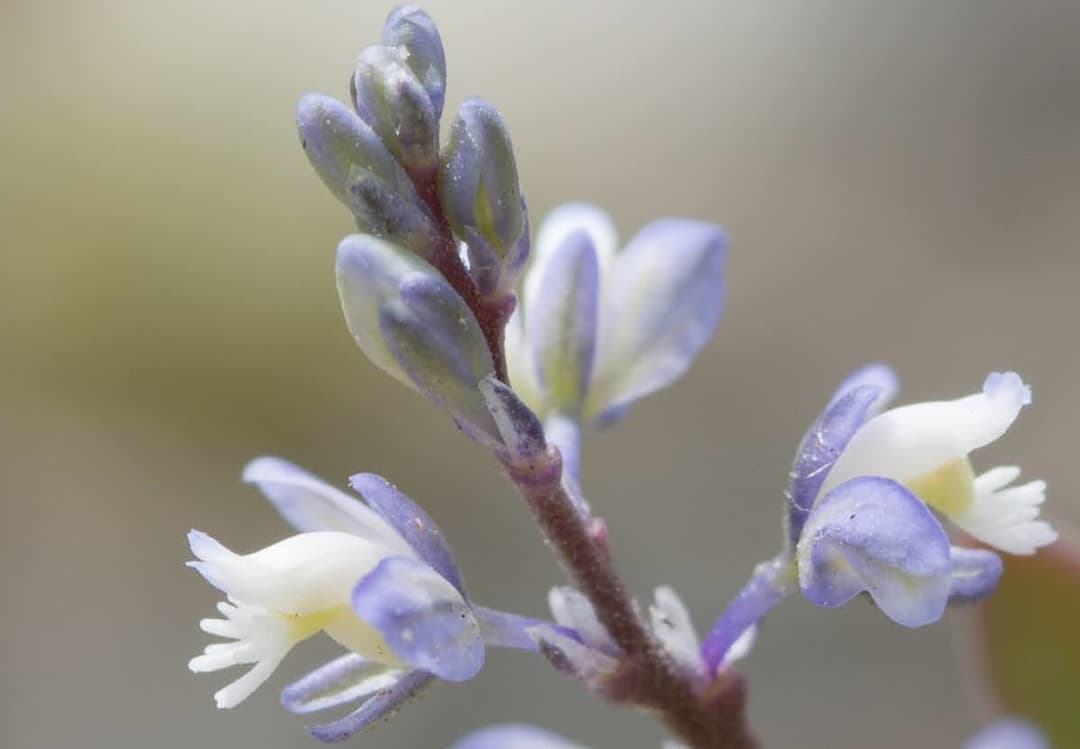
Image credit - Stephen Weeks
Careful chalk downland management by Area Warden Rob and his dedicated volunteer team is paying off. The threatened Kentish milkwort is making a spectacular comeback – nearly 200 plants were recorded this year, up from the initial re-establishment of just 17 in 2021. Adders are also extending their range as new areas of suitable habitat are being created – positive news for one of Kent’s most secretive species.
2. Ashford
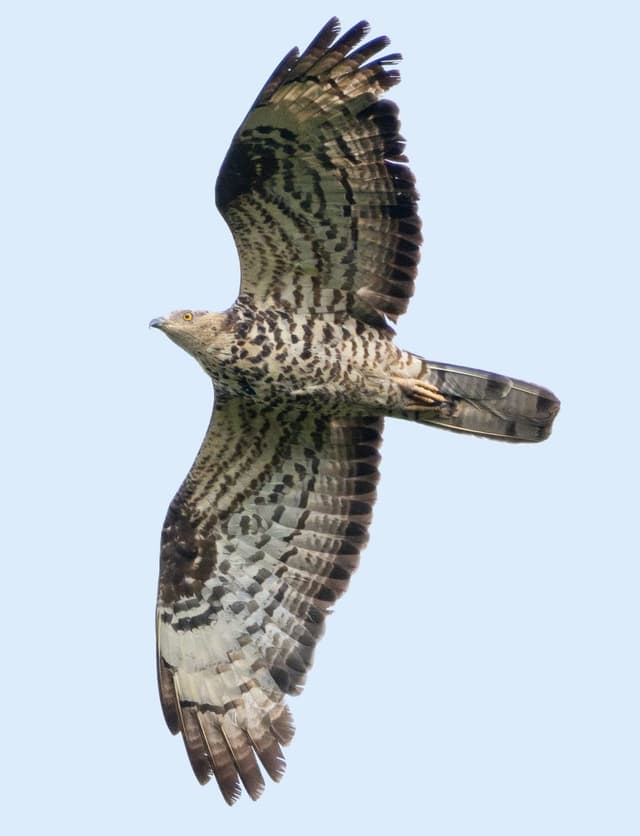
Image credit - Nick Green
One woodland site managed by Kent Wildlife Trust in south Ashford features wide grassy rides, shallow ponds and tall scattered trees. This summer, a pair of honey buzzards were seen using the site to hunt frogs for their single chick! It’s impossible to anticipate how wildlife will make use of our hard work, and creating as much diversity as possible at our reserves is essential.
3. Stone Wood
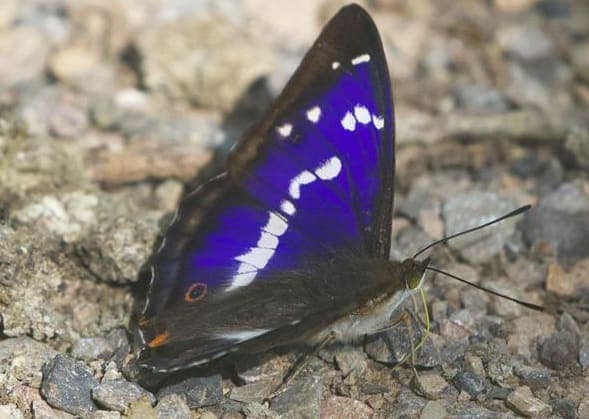
Image credit - Nick Green
Over the summer, purple emperor butterfly (Apatura iris), a magnificent species once rare in the region, was recorded for the first time at this Ashford reserve. Its caterpillars feed on willow leaves, while adults favour mature oak trees for displaying and sipping the sap. This exciting sighting highlights the value of managing woodlands with a variety of tree species and ages.
4. Lydden Temple Ewell
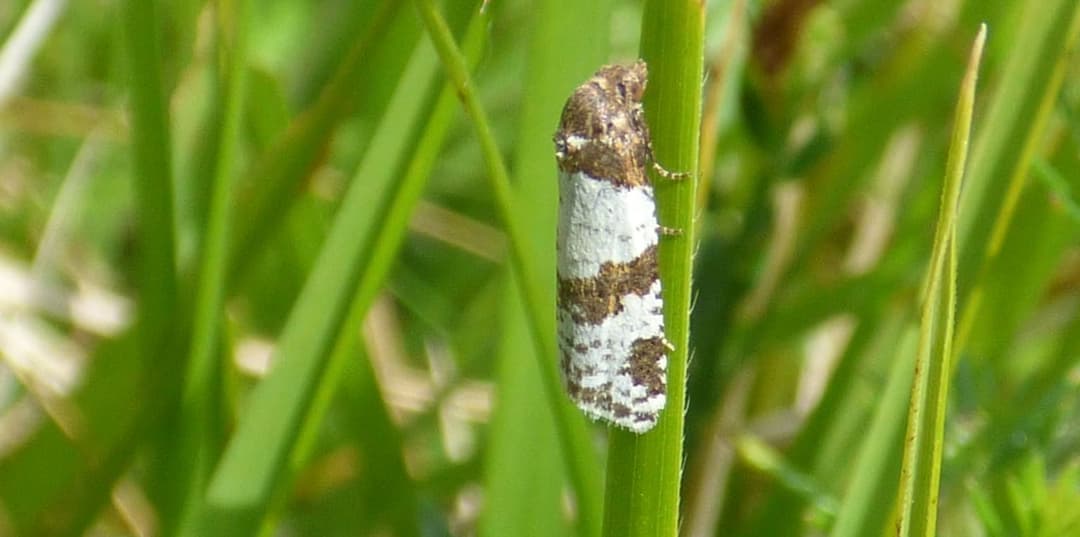
The Tiree twist moth (Periclepsis cinctana), thought extinct in England since 1952, was re-discovered at Lydden Temple Ewell this summer. Decades of careful grazing and scrub control have created the diverse grassland habitat needed by this tiny species.
5. Oare Marshes
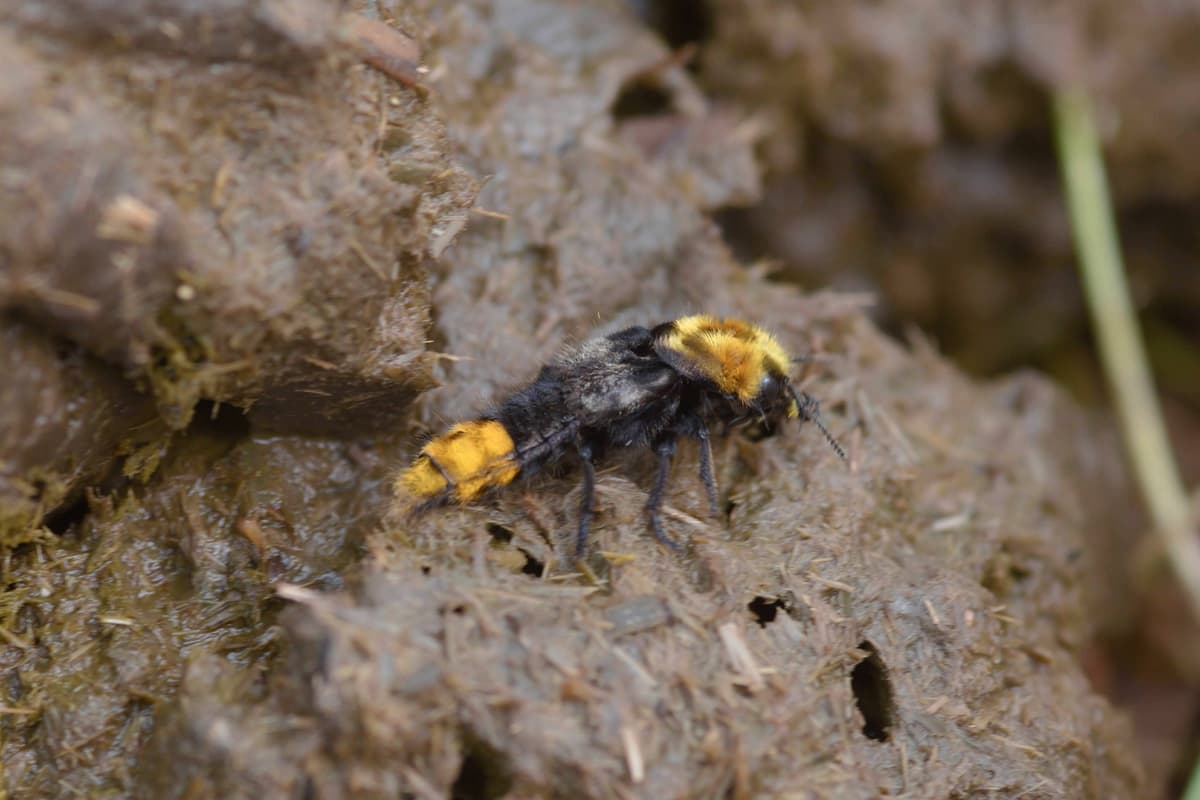
2025 saw our first record for the Maid of Kent beetle (Emus hirtus) – an extremely rare rove beetle that is only found on grazing marshes in northeast Kent. It looks like a cross between a bumblebee and a Devil’s coach-horse beetle and feeds on other invertebrates in livestock dung. Its shining “fur” stays perfectly clean, even while burrowing through fresh cow poo!
Visitors' notice
As winter draws in, even the hardiest of access routes through our reserves will feel the bitter bite of the season. Paths are likely to be muddy and may be slippery in places. Whilst we will do our best to keep all routes open, it is possible that some paths may become too challenging to use and will need to be closed for safety. To ensure you still have the best possible experience when visiting our lovely nature reserves this winter, please remember to dress appropriately for the weather, which of course includes sturdy footwear.
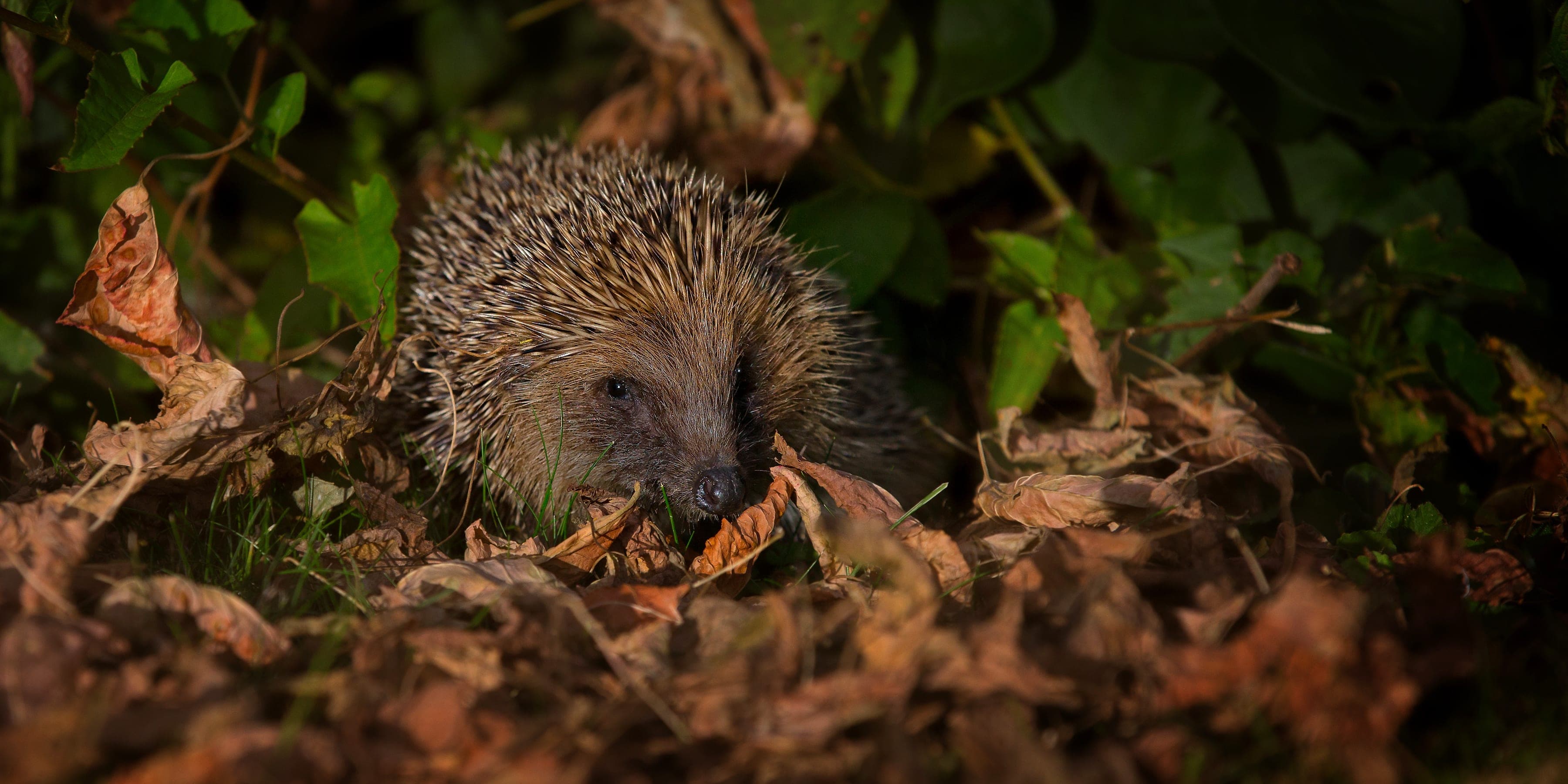
Image credit - Jon Hawkins
Six species you shouldn't be seeing this winter
Written by Simon Prichard
As the weather gets colder, food and sunlight are in shorter supply, so some animals, such as migratory birds, head for warmer climates. Others adopt a different survival strategy, lowering their metabolic activity and body temperature so they use less energy and can survive for extended periods without food and water.
This process is usually referred to as hibernation, but it’s a bit more complicated than that. Ectotherms (cold-blooded animals) experience a process called brumation, which is a passive response to external cold, while endotherms (warm-blooded animals) enter a state of inactivity called torpor as part of a more controlled physiological process.
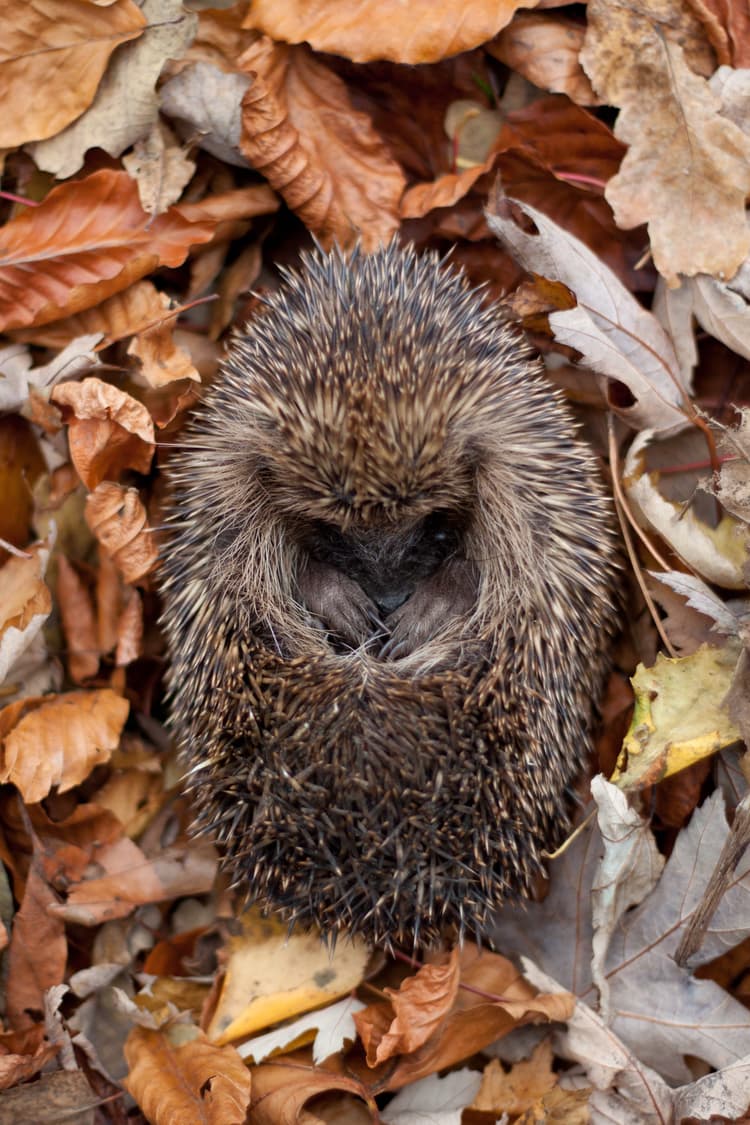
Image credit - Tom Marshall
1. Hedgehog (Erinaceus europaeus)
Along with dormice and all our native bats, hedgehogs are one of the only true hibernating mammal species in the UK. When winter arrives, they build a nest (called a hibernaculum), crawl in and stop moving. Their heart rate decreases from approximately 190 beats per minute to just 20, their body temperature falls from 35°C to 10°C or less and respiration almost stops (they breathe once every few minutes). Most hedgehogs wake up frequently during their hibernation but rarely leave the nest.
2. Adder (Vipera berus)
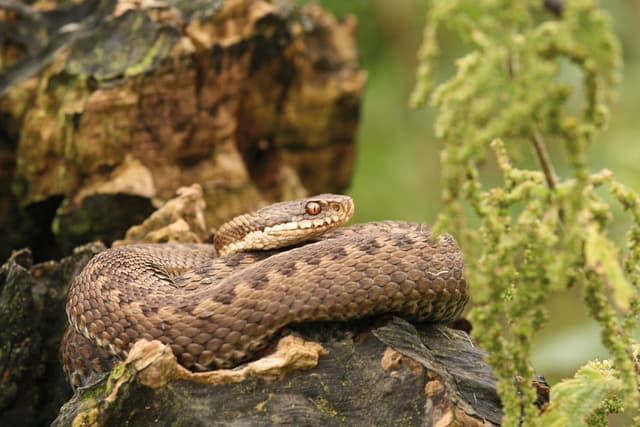
Like other reptiles and amphibians, adders undergo a process called brumation: essentially a reptilian version of hibernation. They are ectothermic, which means their body temperature is dependent on their environment, and in autumn they become more lethargic and are less able to hunt. They choose a secluded, stable place to overwinter, such as a leaf pile or tree hollow. During their rest they may wake to feed and move a little – and can become active for longer periods in unseasonably warm weather.
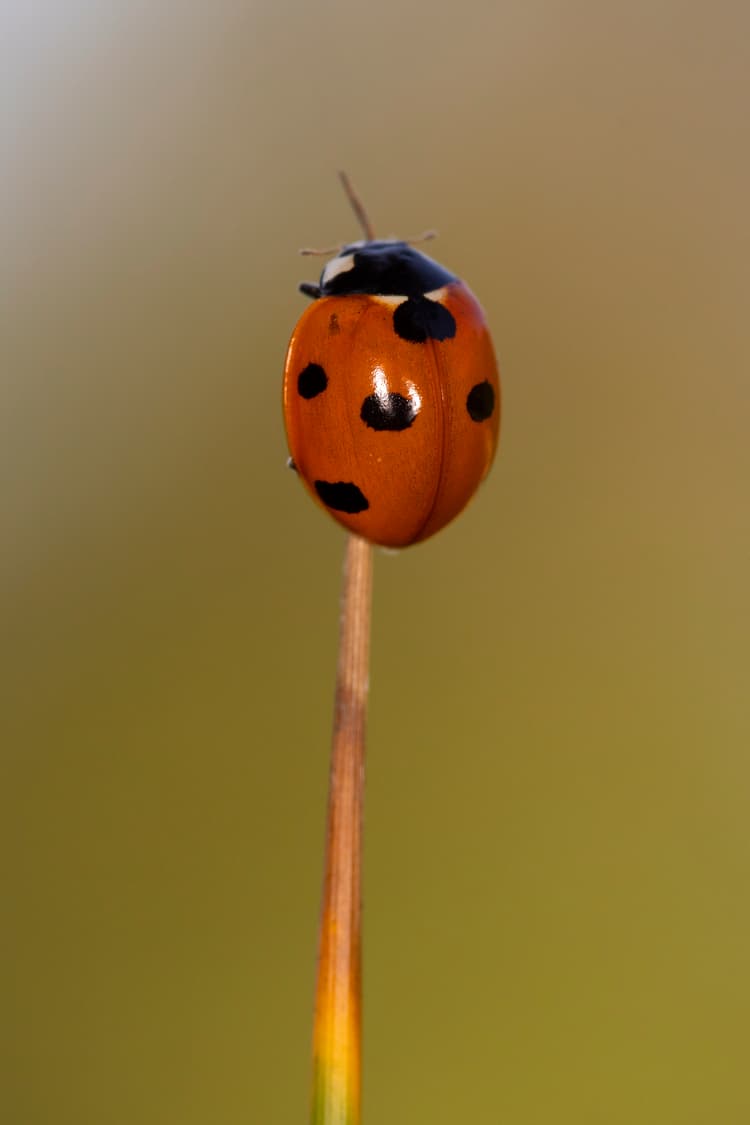
3. Ladybird (Coccinellidae)
It’s looking like a mass migration year for ladybirds, so you may find large clusters of them in the house over the coming months. This marks another variation of “hibernation” called diapause – an interruption of an insect’s development as a response to environmental pressures, in this case colder outdoor temperatures – which ladybirds enter in their adult state. However, lodging in our warm homes can result in them waking up prematurely, before aphids or other food are available, so it’s good to provide outdoor alternatives such as a bug hotel.

Image credit - Richard Steel
4. European badger (Meles meles)
In the UK, badgers don’t go into true hibernation, but they can enter a period of torpor during very cold spells, when they lower their body temperature by a few degrees and sleep deeply for days or even weeks. Having built up reserves of fat during the autumn when food is plentiful, they can sustain normal body functions while they rest. They shelter in family groups in their sett, even digging a toilet pit to avoid having to step out into the cold.
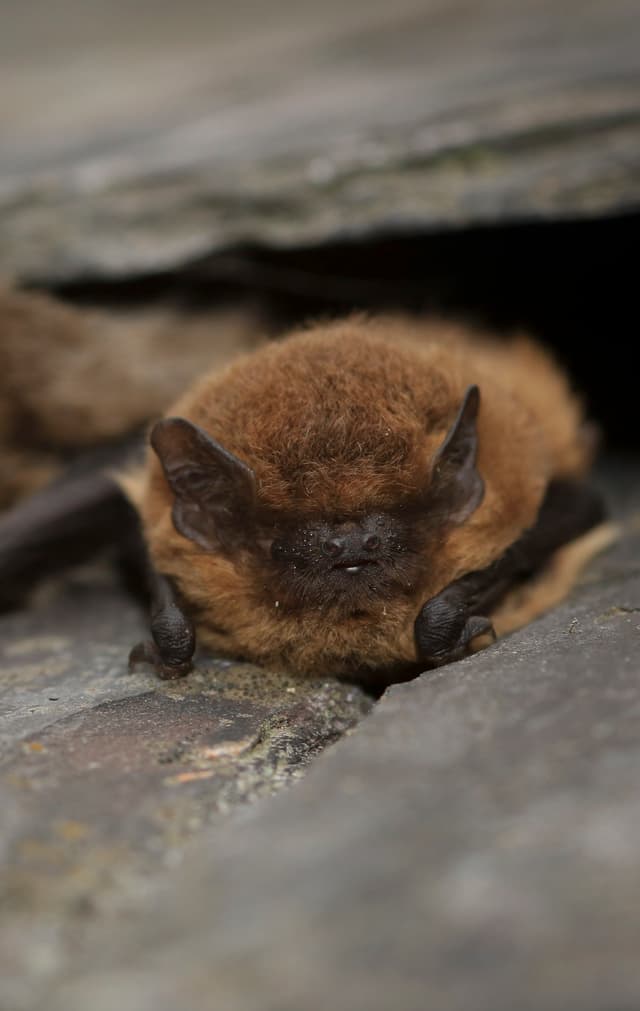
Image credit - Tom Marshall
5. Common pipistrelle (Pipstrellus pipistrellus)
Like all bats, the pipistrelle can enter torpor during cold spells at any time of year, as well as being a true hibernator. It chooses winter roosts that are cool and remain at a constant temperature, often moving into underground sites such as caves. This may explain why we haven’t found enough hibernation roosts to account for the numbers we see in summer. After mating in autumn and sometimes winter, the females store the sperm and don’t become pregnant until spring.

Image credit - Mark Hamblin
6. Common frog (Rana temporaria)
Being ectothermic, frogs become less active as the temperature drops. In the UK, common frogs largely overwinter in a moist place on land, such as a mammal burrow or a compost heap. Some adult males spend their brumation in the mud and leaves at the bottom of a pond, although if the water freezes over, they risk dying through lack of oxygen. It may be a risk worth taking if they are first in the pond when females arrive in spring.
Can you help our hibernators?
Even if you can’t see them, you can make winter easier for our wildlife by
building a bug hotel, leaving leaf piles or checking campfires and bonfires
before lighting them. If you’ve created wildlife-friendly spaces in your garden
or elsewhere, please share your photos with us on social media @KentWildlife